In covering the economy one learns a set of skills he or she is not usually exposed to, such as taking a story from a business perspective to examine profits and losses and pros and cons surrounding a topic economically.
For my story and angle I chose to focus on student-run businesses here at the University of Massachusetts Amherst. These long running businesses have existed for decades, many dating back to the 1970’s when they first began.
Additionally, many of these businesses (even if they faced an internal move within the confines of the Student Union) never before have encountered the sheer challenge of a complete relocation to an entirely different building. Yet, the much anticipated Student Union renovations forced these business to relocate somewhat against their will, as it was put upon them by the university.
However, it is important to note that these businesses will be among the primary benefactors of the newly renovated space where they will have up to date facilities with added amenities.
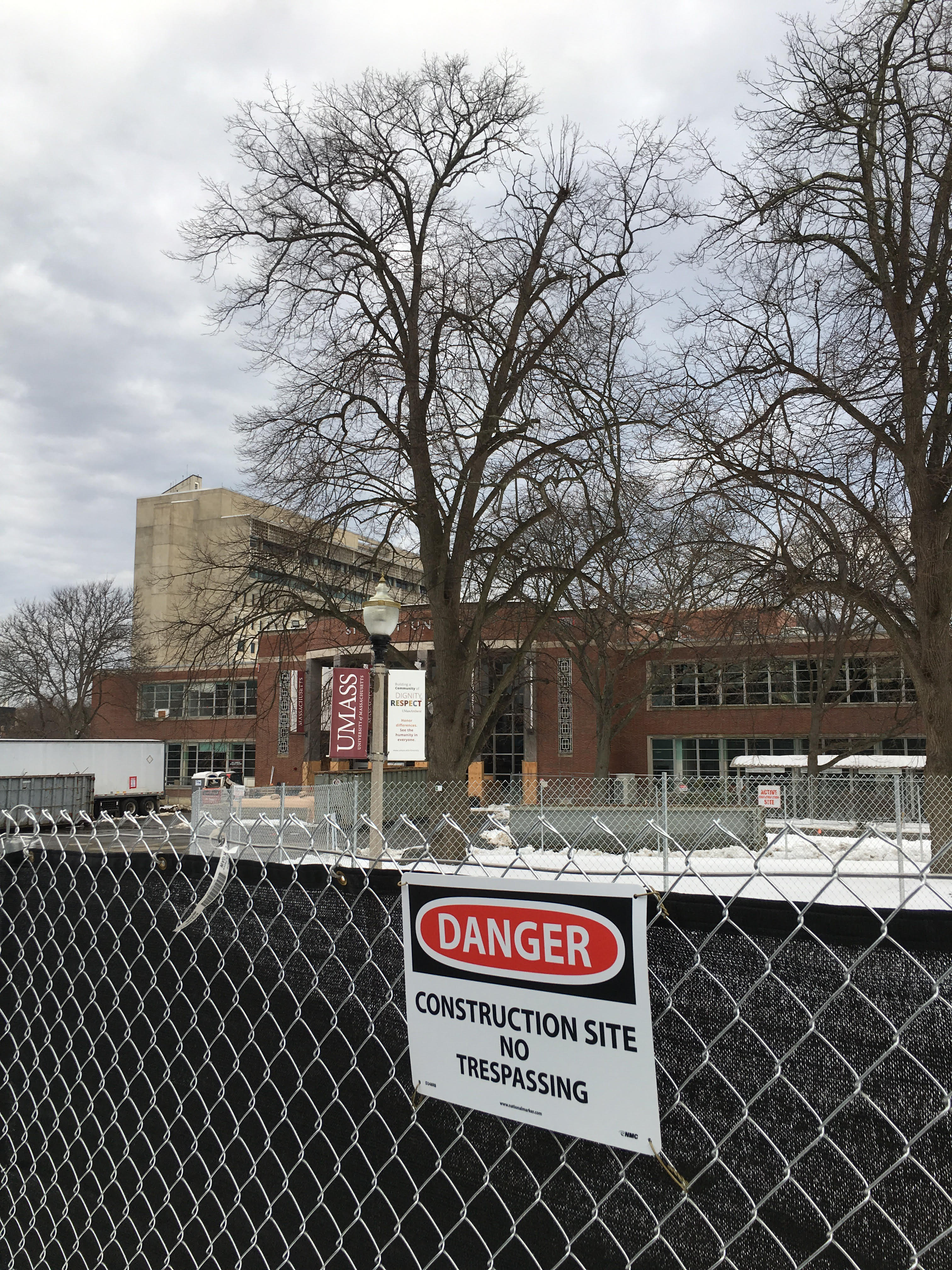
Nevertheless, the mantra “no pain, no gain” seems specifically accurate in the case of all these businesses, each with a different take and different experiences coping with the move, having all reopened at different times.
An article in The Massachusetts Daily Collegian looks at some of these businesses last semester, a few before their move out of the Student Union, and it’s interesting to see how things have changed since then.
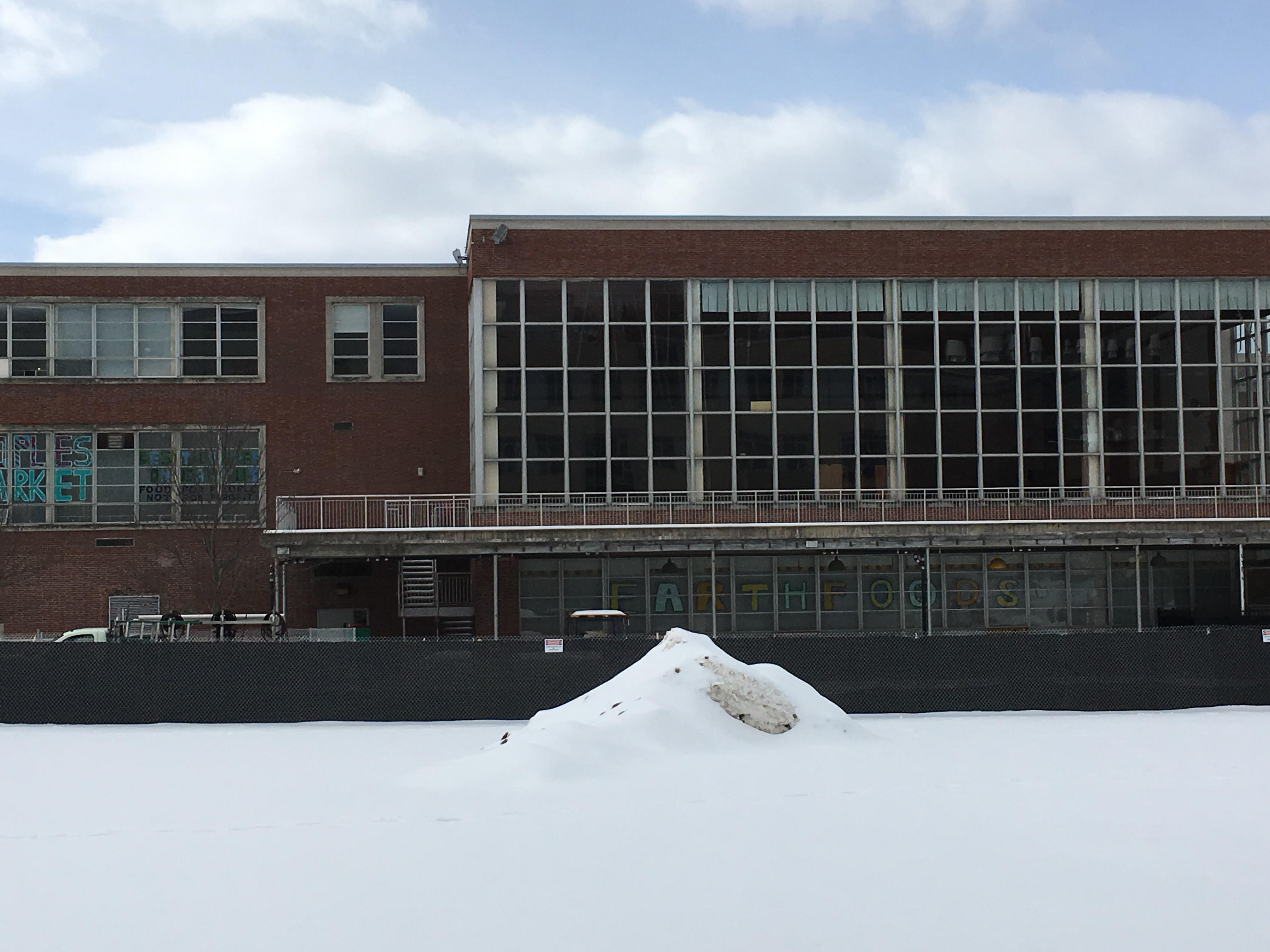
It was also interesting to hear about the inconveniences these businesses now face that dramatically alter their business model such as the case with Earthfoods. The business can no longer realistically host events and concerts and has to use a shared kitchen, in a not exactly next door location either.
Also hearing how HR Clark detailed their thoughts on a lack of revenue highlighted the hardships these businesses may continue to endure in their new spaces.
Similarly, Anna Ben-Hur of People’s Market explained to me how there were problems in the logistics of moving a coffee shop into a former office space and how the space, despite the best efforts and intentions of UMass, failed to meet the needs of the business.
These included essentials for the business such as the lack of a water line or issues involving heating and ventilation which ruined refrigeration setting People’s Market back on its anticipated reopening costing the business monetarily, due to the need to cover payroll during the delay, and in time, as no new revenue from customers came into the business.
Ben-Hur pointed out to me a clever graph the business made to map out its profits that was posted on its Instagram account, which can be seen here.
However, if there was a bright point in this story I’d say that the UMass Bike Co-op, which moves earlier than its counterparts showed the resiliency of the move on student businesses and how the move had unexpected upsides as well.
The positioning of the bike co-op in a more heavily foot-trafficked space and greater recognition of the move by the student body now that the renovations are underway is helping to draw more clients into the space according to employee Emma McCaldon.
Also, unlike the other two student businesses mentioned the Bike Co-op actually gained more space in the move to sell and repair its bicycles.
In the end, this story taught me how to more effectively cover topics about give and take when it comes to money, the problems associated with displacement, and the pros and cons of taking the hard road to reap the rewards in the end.
Additionally, this story shows the interrelated nature of economy on a micro-level confined to here at this university. It shows how one huge economic project, such as the $25 million Student Union, can have spillover effects and unintended consequences on smaller businesses and lesser beings in the economy who don’t have as much say in big investments, but who still have to function in the shadow of them.
Lastly, it shows the solidarity of these businesses among one another and between their customers and workers. It also demonstrates the strength and resiliency they have to continue their work despite the many obstacles in their path.

 Student Business Economy Story (J301)